
QR codes have become a familiar sight in restaurants, but their potential extends far beyond opening a digital menu. From simplifying everyday interactions to promoting special offers and building customer relationships, these small, scannable codes can connect nearly any physical touchpoint to a digital experience.
For restaurants, bars, cafés, and other foodservice businesses, QR codes offer a flexible way to share information, connect with guests, and make everyday operations more convenient.
Whether you’re looking to introduce QR technology for the first time or find new ways to use it, there are plenty of opportunities worth exploring.
More Than Just Digital Menus
Digital menus are probably the most recognizable restaurant application for QR codes, and for good reason.
A QR code placed on a table tent, coaster, menu, or countertop display can give guests immediate access to a digital menu without requiring them to download an app.
For restaurants with frequently changing selections, this can be particularly useful. Instead of reprinting physical menus every time a price changes or a seasonal item is introduced, businesses can update the information online.
Digital menus can also provide additional room for food photography, descriptions, allergen information, and other details that might be difficult to fit on a printed menu.
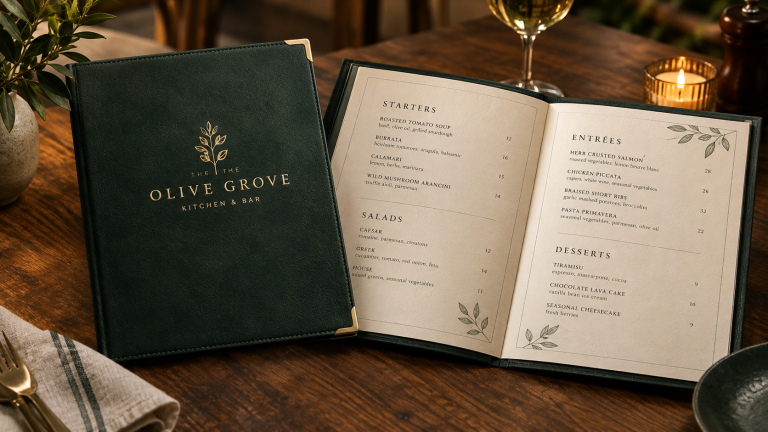
But QR codes don’t have to replace physical menus. Many restaurants benefit from using both, giving guests the flexibility to choose how they browse.
1. Make Ordering and Payment More Convenient
QR codes can connect guests directly to compatible online ordering and payment platforms.
In quick-service environments, a code displayed near the counter can direct customers to an ordering page. At a table-service restaurant, QR codes can provide access to supported tableside ordering or payment experiences.
These applications can help reduce unnecessary steps and give guests additional flexibility in how they interact with the restaurant.
For example, guests might scan a code to:
- Place an order for pickup.
- Browse an online ordering platform.
- Pay their bill through a supported payment system.
- Access a reorder page for their favorite items.
The experience depends on the technology behind the code, but the principle is simple: make the next step easy to access.
2. Promote Specials, Events, and Seasonal Offerings
Restaurants are constantly introducing new reasons for guests to visit.
Limited-time menus, seasonal drinks, happy hour promotions, live entertainment, tasting events, and holiday specials all need to be communicated.
QR codes can connect physical promotional materials directly to the relevant information.
A table tent promoting an upcoming event might link to a reservation page. A coaster advertising a new cocktail collection could open a digital drink menu. A poster near the entrance might direct guests to a calendar of upcoming events.
For businesses that regularly update their promotions, dynamic QR codes can be particularly valuable.
Unlike static QR codes, which contain a fixed destination, dynamic QR codes typically use a redirect that allows the destination to be changed through a management platform without replacing the printed code.
That means a restaurant can potentially reuse the same printed display for different campaigns throughout the year.
3. Encourage Loyalty and Repeat Visits
QR codes can also help connect customers with loyalty programs, rewards, and other opportunities to stay engaged.
Instead of asking guests to search for a website or download information manually, a quick scan can take them directly to a registration page or other digital destination.
Restaurants can use QR codes to connect customers with:
- Loyalty program enrollment.
- Rewards account access.
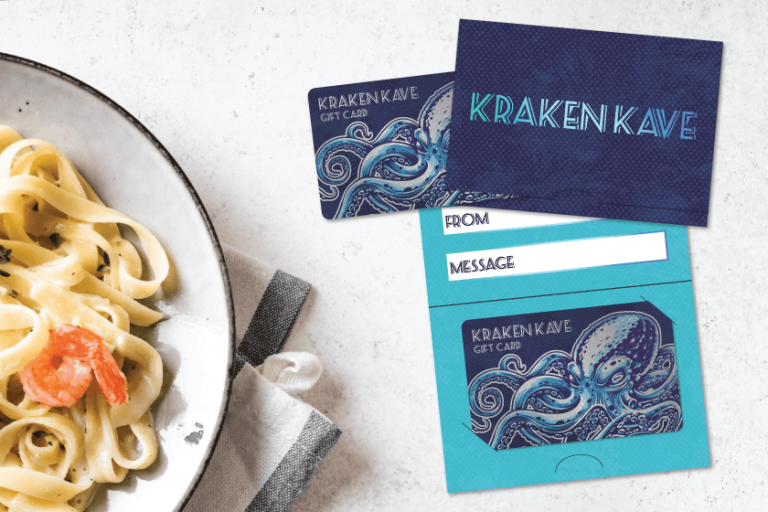
- Gift card purchasing pages.
- Email newsletter subscriptions.
- Special promotions and customer offers.
A code printed on a receipt, table tent, or promotional card can create an opportunity to continue the relationship after the meal is over.
The important part is giving guests a clear reason to scan. A message like “Join Our Rewards Program” is more useful than displaying an unexplained QR code and expecting customers to know what to do.
4. Make Customer Feedback Easier to Share
Guest feedback can provide valuable insight into what’s working and where improvements may be needed.
QR codes can make it easier for customers to access a feedback form, survey, or review platform without searching for the business themselves.
For example, a restaurant could place a code on a check presenter that links to a short customer satisfaction survey.
Other possible applications include feedback cards, receipts, countertop displays, and takeout packaging.
A few considerations can make these experiences more effective:
Keep it short. A brief survey is generally less demanding than a lengthy questionnaire.
Make the purpose clear. Let customers know what they’ll find when they scan.
Choose the right destination. Direct guests to the specific feedback form or review page rather than a general homepage.
Use feedback responsibly. If requesting public reviews, avoid incentives or practices that violate the review platform’s policies.
QR codes don’t guarantee more responses, but they can remove some of the friction involved in reaching the right page.
5. Connect Packaging and Takeout Orders to Your Brand
The guest experience doesn’t always happen inside the restaurant.
Takeout bags, food containers, cup sleeves, stickers, and other packaging materials travel with customers and create additional opportunities for engagement.
Adding a QR code to these items can connect customers with useful information or encourage another interaction.
A takeout package might link to the restaurant’s online ordering page, making it easier to order again. A branded coffee cup could direct customers to a loyalty program. A catering package might include a code linking to the full catering menu.
These applications allow packaging to do more than carry food. They can help maintain a connection with customers after they leave.
6. Support Restaurant Operations Behind the Scenes
QR codes aren’t limited to guest-facing applications.
They can also connect employees to information and digital tools used throughout the restaurant.
Depending on the systems a business uses, QR codes can provide quick access to:
- Equipment maintenance logs.
- Cleaning and inspection checklists.
- Employee training materials.
- Inventory tracking forms.
- Operating procedures and reference documents.
- Internal request or reporting forms.
For example, a code attached to a piece of kitchen equipment could direct authorized employees to its maintenance instructions or service history.
These applications can be especially useful for businesses managing multiple locations, where consistent access to procedures and information matters.
Of course, a QR code is only the access point. The underlying software or webpage handles the actual information, permissions, and tracking.
Where Should Restaurants Place QR Codes?
Even the most useful QR code won’t accomplish much if guests can’t find it or don’t understand why they should scan.
Placement should be determined by what the code is intended to do.
| Placement | Potential Application |
|---|---|
| Table tents | Digital menus, specials, loyalty enrollment |
| Coasters | Drink promotions, events, social media |
| Check presenters | Feedback, reviews, loyalty programs |
| Takeout packaging | Online ordering, catering, rewards |
| Countertop displays | Gift cards, promotions, ordering |
| Printed menus | Additional information, digital experiences |
| Posters & signage | Events, reservations, seasonal campaigns |
The best placement is usually somewhere customers naturally encounter the information at a moment when it is relevant.
Designing QR Codes That People Actually Use
Adding a QR code to a printed product is relatively straightforward. Making it easy and worthwhile to scan takes a little more thought.
Give Every Code a Clear Purpose
Avoid adding QR codes simply because there’s room for them.
Each code should lead somewhere useful and have a clear call to action. “View Our Drink Specials” or “Order Online” communicates much more than an unlabeled code.
Prioritize Scannability
QR codes need sufficient size, contrast, and clear space around them to scan reliably.
Avoid placing them over busy graphics, distorting their proportions, or using color combinations that make them difficult to distinguish.
The appropriate printed size depends on the viewing distance, surface, and application, so testing is essential.
Consider the Material
A QR code printed on a disposable flyer faces different conditions than one displayed on a restaurant table every day.
For frequently handled or cleaned items, durable materials and appropriate finishes can help preserve the printed code.
Highly reflective surfaces, curved products, and textured materials may require additional testing to ensure reliable scanning.
Make the Destination Mobile-Friendly
Most guests will scan using a smartphone, so the destination should be easy to navigate on a small screen.
Pages that load slowly, require unnecessary steps, or display poorly on mobile devices can undermine the convenience of the QR code itself.
Test Before Printing
Always test the final design before ordering.
Check the code using different smartphones, at realistic distances, and under lighting conditions similar to where it will be displayed.
For printed products, it’s particularly important to test at the actual intended size.
Physical and Digital Work Better Together
QR codes are most effective when they complement the restaurant experience rather than complicate it.
A beautifully designed menu can still serve as the primary way guests explore their options, while a discreet QR code provides access to additional details. A branded table tent can promote an upcoming event while connecting guests directly to registration. A takeout bag can carry the restaurant’s identity while offering a convenient path to the next order.
The physical product creates the opportunity for interaction. The QR code provides the connection.
Together, they can make restaurant materials more versatile without losing the visual and tactile qualities that make printed products valuable.
Bring QR Codes Into Your Restaurant
From digital menus and customer loyalty to promotions, feedback, and everyday operations, QR codes offer restaurants a wide range of practical possibilities.
The key is choosing applications that make sense for your business, creating clear reasons for people to scan, and incorporating the technology into materials that fit your brand.
At Table Partners, we help businesses bring physical and digital experiences together through custom printed products, QR code applications, and practical technology solutions.
Whether you’re exploring a new idea or looking to expand an existing program, we can help you find an approach that works for your restaurant.
Ready to connect your restaurant’s physical and digital experiences? Explore QR code solutions with Table Partners.