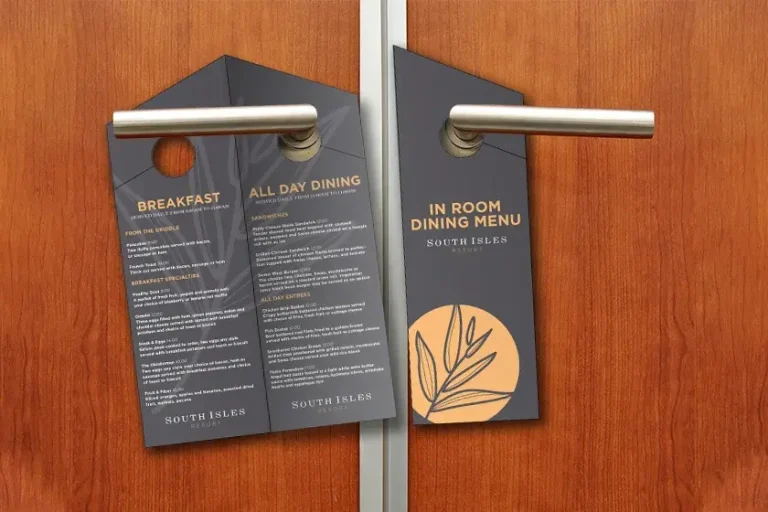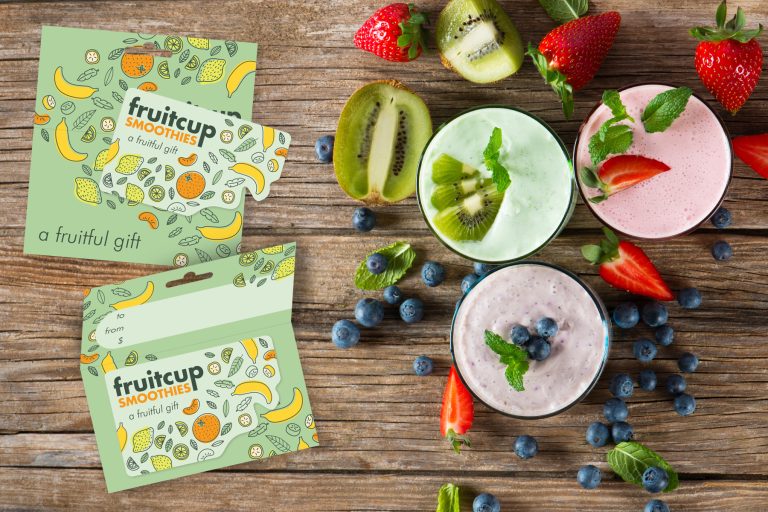

A restaurant menu is one of the first things guests interact with, and its impact goes well beyond what’s being served. The right menu can reinforce your brand, complement your atmosphere, make ordering easier, and create a more memorable dining experience.
But with so many materials, formats, finishes, and design possibilities available, choosing the right menu isn’t always straightforward.
Whether you’re opening a new restaurant, refreshing your existing menus, or exploring something completely different, understanding your options is the first step toward creating something that looks great and works for your business.
Start With the Right Material
Before getting into colors, layouts, or finishing details, consider how your menus will actually be used. A fine dining restaurant may prioritize presentation and texture, while a busy family restaurant might need something that can handle constant cleaning and frequent spills.
Laminated Menus
Laminated menus are a popular choice for restaurants that need durability without sacrificing design flexibility. A protective laminate layer helps guard printed materials against moisture, spills, and everyday wear.
They’re particularly well suited for high-traffic dining rooms, casual restaurants, and other environments where menus are handled and cleaned frequently.
Lamination can also provide different visual effects, from glossy finishes that enhance colors to matte finishes that create a more understated appearance.
Synthetic Menus
Synthetic menus offer another approach to durability. Made from water-resistant or waterproof synthetic materials, depending on the specific stock, these menus can withstand moisture and repeated handling without requiring a traditional paper-based construction.
They’re a great option for patios, poolside dining, busy bars, and restaurants looking for a practical alternative to conventional paper menus.
Synthetic materials also come in different weights and finishes, allowing restaurants to choose a feel that suits their concept.
Traditional Paper Menus
Sometimes, traditional paper is exactly what a restaurant needs.
Paper menus provide flexibility for businesses that frequently update pricing, rotate seasonal offerings, or introduce limited-time promotions. They’re also ideal for takeout menus, kids’ menus, catering materials, and promotional inserts.
With a wide selection of paper stocks, textures, weights, and finishes, paper can deliver everything from a simple, economical presentation to something more refined.
Finding the Right Menu Format
The material is only part of the equation. The way a menu is constructed influences how much information it can hold, how guests interact with it, and how it fits into the dining experience.
Flat Menus: Simple and Straightforward
Flat menus keep everything immediately accessible. They’re a natural fit for smaller menus, drink lists, dessert selections, and concepts that benefit from a clean, uncomplicated presentation.
A thoughtfully designed single-page menu can be just as effective as a multi-page booklet, especially when the information is organized clearly.
Folded Menus: More Space, Less Bulk
Folded menus provide additional room while maintaining a compact footprint.
Bi-fold and tri-fold formats can help separate food categories, highlight specials, or organize larger selections without requiring a bound menu.
They’re also a versatile choice for takeout, catering, and promotional materials.
Coil Bound Menus: Room to Explore
Restaurants with extensive offerings may benefit from coil bound menus.
This construction allows multiple pages to turn easily and provides room for detailed descriptions, photographs, and separate categories.
Coil binding is especially useful when menus need to accommodate a larger amount of content while remaining easy to navigate.
Saddle Stitched Menus: A Booklet Experience
Saddle stitching uses staples along the folded spine to create a booklet-style menu.
This format offers a familiar, polished presentation for multi-page menus and works well when a restaurant wants to organize its offerings into a more structured experience.
Hybrid Menus: The Best of Both Worlds
Not every menu needs to follow a conventional format.
Hybrid constructions can combine different materials, finishes, or components to create a menu suited to specific needs. For example, a restaurant might pair a durable menu cover with replaceable paper inserts, making updates easier without replacing the entire piece.
These options offer additional flexibility for restaurants balancing presentation, durability, and frequent changes.
Menu Design: Making Every Detail Count
Once you’ve chosen the right material and format, it’s time to think about how the menu looks and feels.
Good menu design isn’t just about making something attractive. It should help guests find what they’re looking for, understand their options, and feel connected to the restaurant’s identity.
1. Make Readability a Priority
Creative typography can give a menu personality, but readability should always come first.
Choose fonts that are easy to read, maintain sufficient contrast between text and background colors, and avoid overcrowding the page.
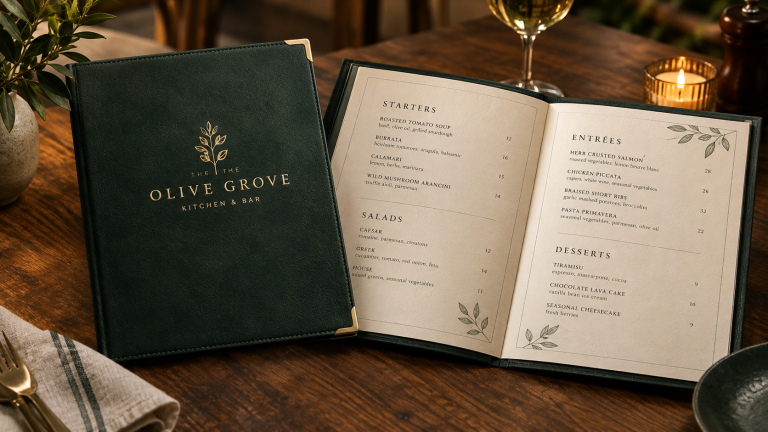
Clear headings, consistent spacing, and thoughtful organization make the menu easier to navigate.
2. Create a Clear Visual Hierarchy
Not every item needs the same amount of attention.
Use typography, spacing, and layout to distinguish categories, item names, descriptions, and prices. This helps guests scan the menu naturally without feeling overwhelmed by information.
Special offerings can receive additional emphasis, but too many competing highlights can make the entire design feel cluttered.
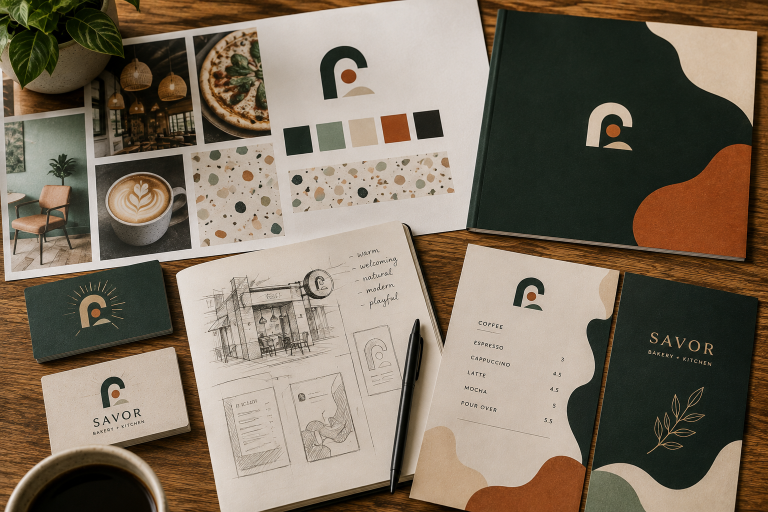
3. Let Your Brand Lead the Design
A menu should feel like it belongs in your restaurant.
A modern café might favor clean typography and minimal layouts, while a neighborhood brewery could embrace bold colors and playful graphics. An upscale restaurant may lean toward understated finishes, elegant typography, and carefully considered spacing.
There isn’t one correct aesthetic. The goal is to create something that reflects your concept.
4. Think Beyond the Food Menu
Most restaurants use more than one type of menu.
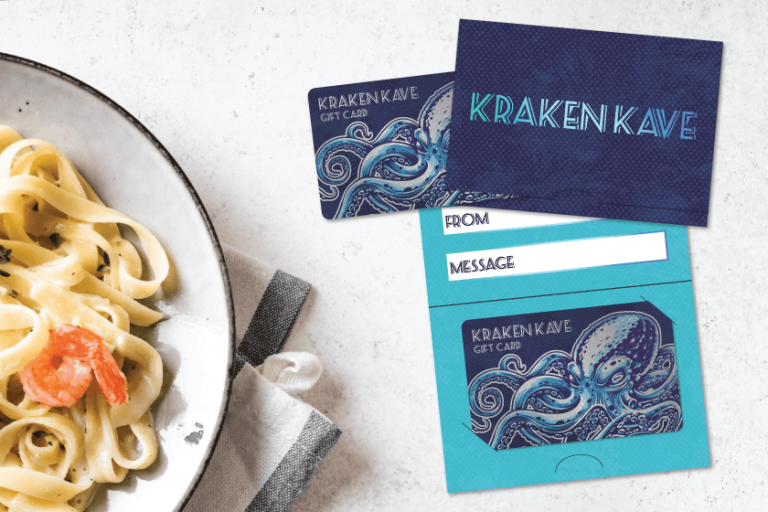
Drink lists, wine menus, dessert menus, kids’ menus, seasonal specials, and catering materials may all require different formats.
Designing these pieces as a coordinated collection helps maintain a consistent brand experience while allowing each menu to serve its own purpose.
5. Consider the Physical Experience
A menu’s size, weight, texture, and finish can be just as important as its graphics.
A large, rigid menu creates a different impression than a lightweight folded piece. A soft matte finish feels different from a glossy laminated surface.
Think about how guests will hold, open, read, and interact with the finished product. These details contribute to the overall experience.
Balancing Appearance, Durability, and Flexibility
The most visually impressive menu isn’t necessarily the best choice for every restaurant.
A menu that looks beautiful but needs constant replacement may create unnecessary expense. On the other hand, choosing the most durable material available may not make sense for offerings that change every week.
Consider a few practical questions before making your decision:
- How often will the menu change? Frequently updated offerings may benefit from paper menus or replaceable inserts.
- Where will it be used? Outdoor dining, bars, and high-traffic environments may call for more moisture-resistant materials.
- How much information needs to fit? Larger selections may benefit from folded or bound formats.
- What should the menu feel like? Material, thickness, texture, and finish all contribute to the impression it creates.
- How will it be maintained? Consider cleaning, storage, replacement frequency, and everyday handling.
Finding the right balance helps create menus that work as well as they look.
One Restaurant, Multiple Menu Solutions
There’s no rule that says every menu in your restaurant needs to use the same material or construction.
A durable laminated food menu might be paired with a smaller cocktail list, a replaceable paper specials insert, and a folded takeout menu.
Each serves a different purpose, but thoughtful design can tie them all together.
This approach allows restaurants to prioritize durability where it matters, maintain flexibility where updates are frequent, and create a consistent visual identity across different dining experiences.
Bring Your Menu Ideas to Life
The best restaurant menus bring together thoughtful design, practical materials, and a clear understanding of how they’ll be used.
Whether you’re looking for a simple paper menu, a durable waterproof option, or a completely custom presentation, the possibilities extend well beyond choosing a size and printing your artwork.
At Table Partners, we help restaurants explore materials, formats, finishes, and design options to create menus that fit their concept and everyday needs.
Ready to rethink your restaurant menus? Explore your options with Table Partners and create something that looks great, feels right, and works for your business.